

Why Are Many Indoor Cats in Malaysia Overweight?
Indoor cats in Malaysia are becoming increasingly overweight. Learn the causes, health risks, how vets diagnose obesity, and how clinics use digital systems to track weight management and long-term care.
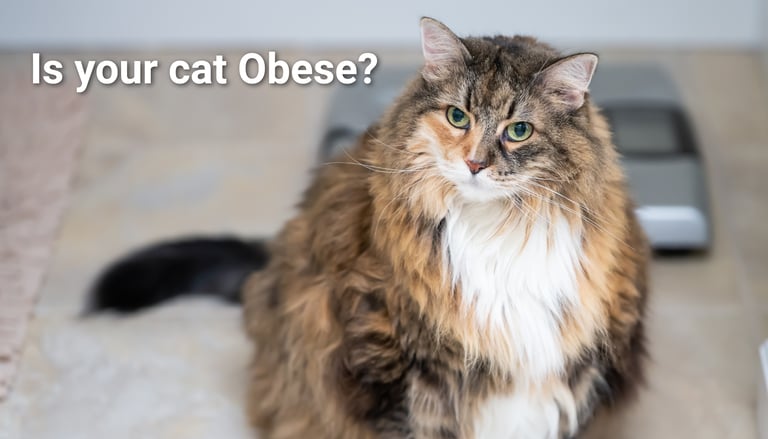
Why Are Indoor Cats in Malaysia Becoming Overweight, and What Should Owners Do About It?
Obesity is one of the most common health issues seen in Malaysian indoor cats today. Even cats that seem “normal-sized” to their owners can be carrying excess weight without anyone realising it. Because indoor cats move less, graze more, and often eat calorie-dense diets, they slowly gain weight over time. For many owners, the change is almost invisible until a vet points it out during a routine check-up.
This guide breaks down why obesity is rising among Malaysian cats, what signs to look out for, and how veterinary clinics manage weight issues using structured plans, often supported by digital clinic systems that help track weight trends, reminders, and follow-up appointments.
What Counts as Obesity in Cats?
A cat is considered overweight when it exceeds its ideal body weight by about 10 to 20 percent. Obesity is generally classified when the excess goes beyond 20 percent. The tricky part is that many cats look “cute and chubby” long before they reach these thresholds, which is why the problem often goes unnoticed until symptoms appear.
Because every breed and body frame is different, vets rely on body condition scoring rather than a single number. This score is easier to track consistently when clinics use electronic medical records that store past measurements and weight trends over time.
Why Indoor Cats Gain Weight So Easily
Indoor lifestyles offer safety, no traffic, no outdoor fights, no parasites, but they also reduce natural activity levels. Malaysian indoor cats often face a few common risk factors:
Low daily activity
Indoor environments usually don’t encourage chasing, climbing, or hunting behaviours.
Free-feeding
Many owners leave kibble out all day, which leads to constant grazing.
Calorie-dense diets
Commercial dry food is convenient but easy to overfeed.
Neutering
Neutered cats have lower calorie needs but often eat at the same rate as before.
Treats and table food
Small snacks add up quickly, especially in small-framed cats.
Obesity often develops gradually, a few grams each month, until one day the cat simply “looks rounder.”
Health Risks Owners Should Not Ignore
Extra weight affects long-term health more seriously than most owners expect. Obesity increases a cat’s risk of:
Diabetes
Arthritis and joint pain
Heart strain
Respiratory issues
Hepatic lipidosis (a severe liver condition)
Reduced lifespan
Many cats show subtle clues first: difficulty jumping, faster breathing after mild play, or sleeping more than usual. A proper examination helps confirm whether weight is the cause or a symptom of something else.
How Vets Diagnose and Manage Cat Obesity
Most diagnoses start with a physical exam and a body condition scoring assessment. Vets may also run blood tests to rule out thyroid issues or metabolic disorders if the weight gain seems unusual.
Treatment plans usually involve:
Diet adjustments
Measured portions, controlled-calorie diets, or prescription weight-loss formulas.
Activity planning
Encouraging play with climbing structures, toys, and scheduled interactive sessions.
Follow-up weigh-ins
Monitoring is critical; cats lose weight safely only with slow, consistent changes.
Behind the scenes, many clinics use veterinary clinic management systems to support long-term cases like these. Digital records allow clinics to log weight at every visit, compare month-to-month progress, and set reminders for follow-up weigh-ins so owners don’t lose track of the plan.
How Digital Clinic Systems Help With Weight-Management Cases
When obesity requires long-term follow-up, having a structured digital system helps both the vet and the owner.
Here’s how:
Tracking weight trends over time
Instead of relying on memory, clinics can display charts showing progress clearly.
Standardised nutrition notes
Vets can record specific feeding plans, calorie targets, and recommended brands.
Automatic reminders
Clinics can send reminders for recheck appointments or repeat weigh-ins.
Better communication
Printed summaries or follow-up instructions reduce misunderstandings at home.
These small touches make a significant difference because weight issues depend on consistency, something many owners struggle with without proper support.
What Owners Can Do at Home
Weight control for indoor cats starts with a few simple habits:
Serve measured portions instead of free-feeding
Use food puzzles or slow-feeders
Add vertical spaces like shelves or cat trees
Schedule two or three short play sessions daily
Limit treats or switch to low-calorie alternatives
Consult the vet before changing diets
Cats are creatures of habit, so gradual adjustments often work better than sudden lifestyle shifts.
When to See a Vet
Owners should consider a veterinary visit if their cat:
looks visibly round or wide
has trouble jumping onto usual surfaces
becomes breathless after mild activity
suddenly refuses play
continues gaining weight despite reduced feeding
A professional assessment ensures the weight gain is not linked to hidden medical conditions.
Final Thoughts
Obesity in indoor cats is more common than many Malaysian owners realise, and it has long-term effects on quality of life. Vets play a key role not only in diagnosing the issue but also in guiding owners through sustainable weight-loss plans. With the help of structured clinic systems that track progress and reminders, both owners and clinics can manage these cases more effectively.
If your cat lives fully indoors, a quick body condition check might be the first step toward a healthier routine.
Stay updated with the latest veterinary software trends.
© 2025. All rights reserved.